The first ten minutes on a new JavaScript bundle
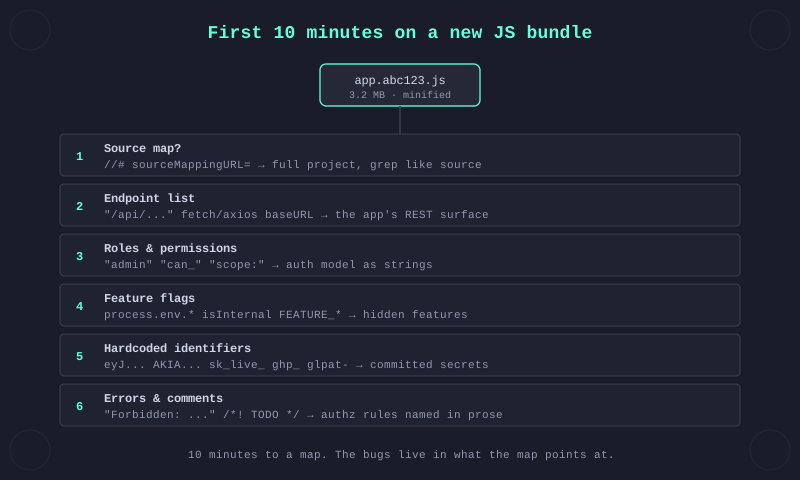
Opening a stranger's bundled JavaScript for the first time. What I grep for, in what order and why. A practical follow-up to why you should not skip JS files at all.
Read more →Offensive security insights, bug bounty tips and things I've learned along the way.
Opening a stranger's bundled JavaScript for the first time. What I grep for, in what order and why. A practical follow-up to why you should not skip JS files at all.
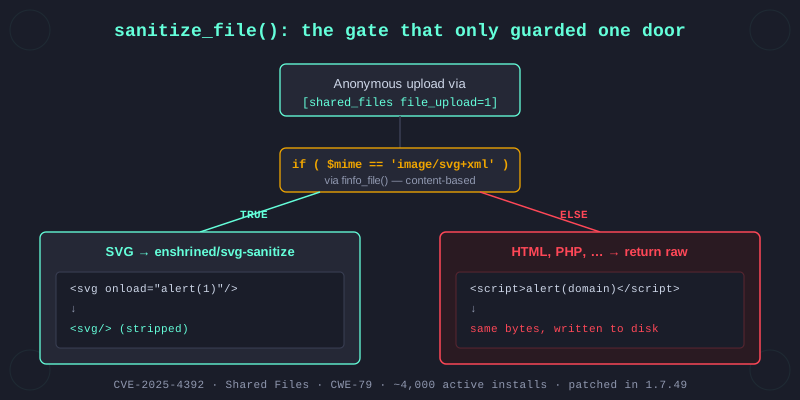
Read more →CVE-2025-4392 was an unauthenticated stored XSS in the Shared Files plugin. A sanitizer that only ran for SVGs and silently passed everything else through. How the gate made the function's name a lie, and a checklist to grep your own plugin source for the same pattern.
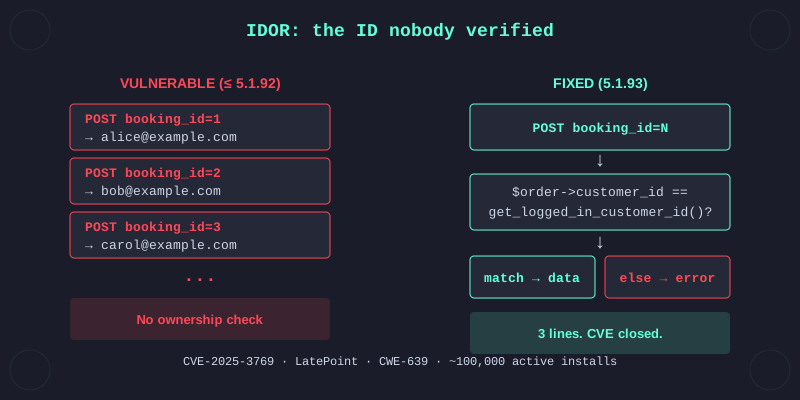
Read more →A walkthrough of CVE-2025-3769, an IDOR in the LatePoint plugin that exposed customer data from about 100K WordPress sites. How I found it, the code-review pattern behind it and a checklist for auditing WordPress plugins yourself.
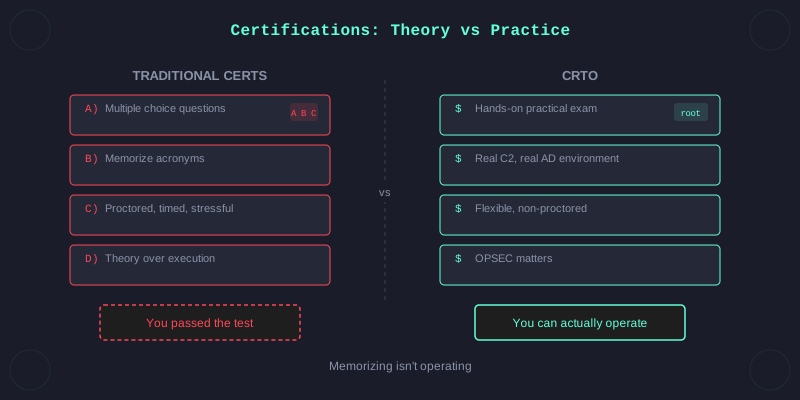
Read more →CRTO is one of the few certs that actually tests if you can operate in an AD environment. Here's my take and some tips if you're preparing.
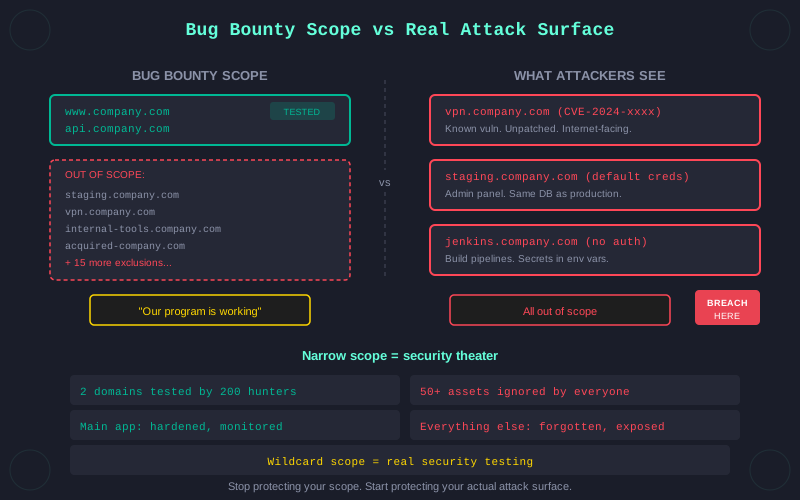
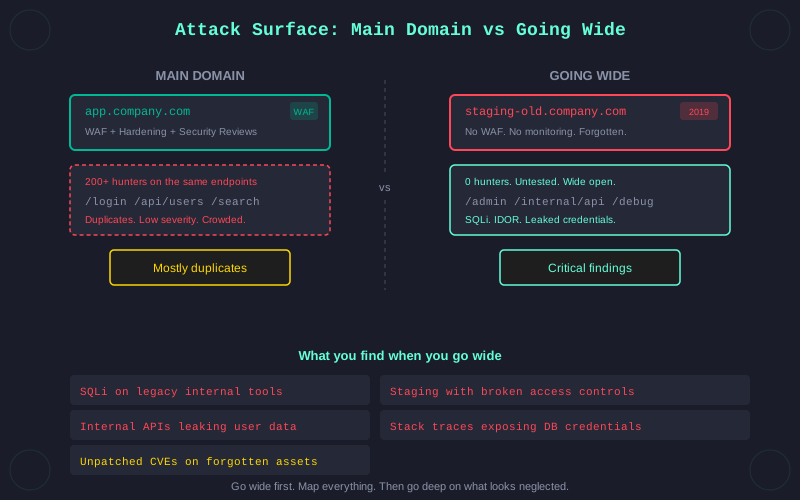
Read more →Attackers don't follow your scope. Limited bug bounty programs protect you from findings while leaving your real attack surface wide open. Here's why wide scopes and recon matter.
Read more →The best vulnerabilities aren't on the main domain. Here's why wildcard scopes beat limited ones and how going wide leads to the findings that actually matter.
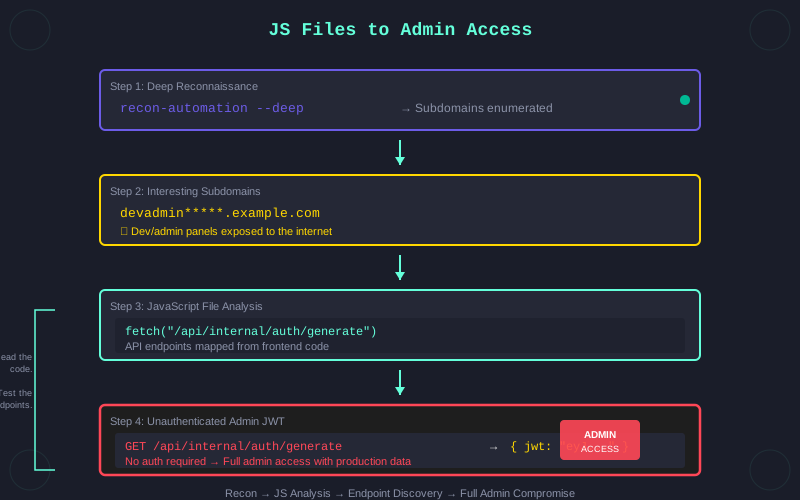
Read more →Running automated scans while ignoring JavaScript files means missing the real gold. Here's how reading JS files led to full admin access on a HackerOne target.
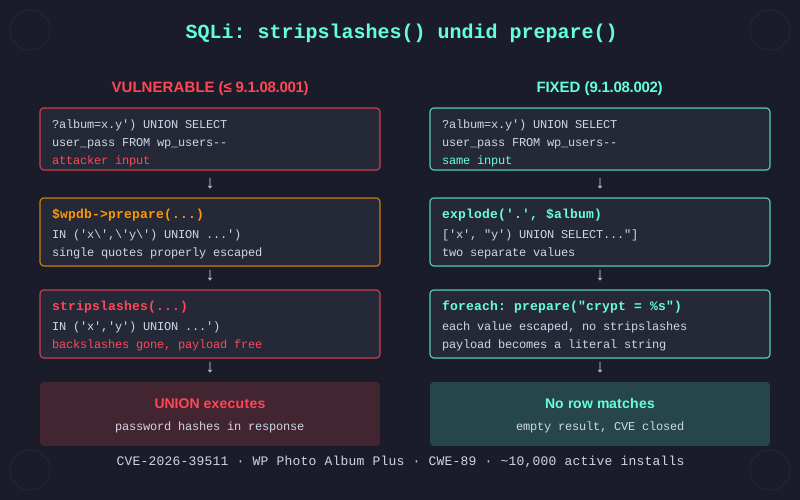
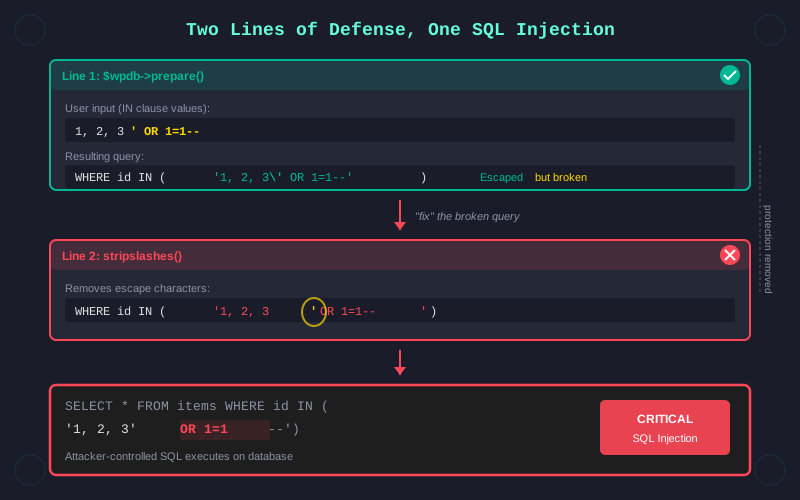
Read more →Both lines were written for security. One added protection, the other removed it. How $wpdb->prepare() and stripslashes() combined into a critical SQL injection.
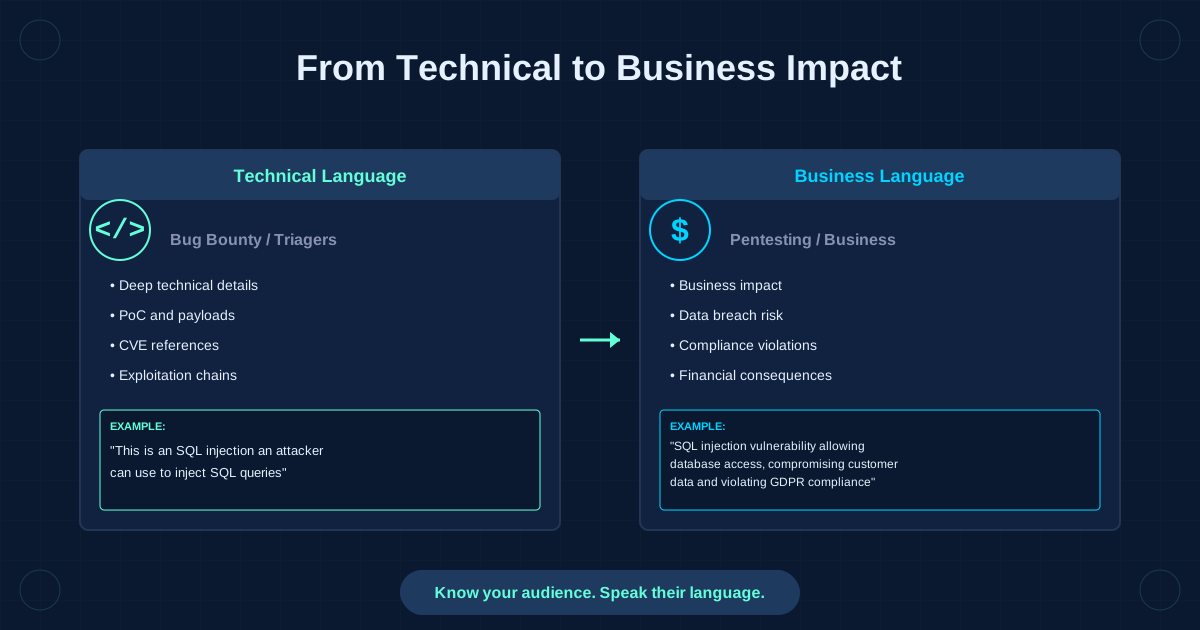
Read more →Technical expertise matters, but if you want your findings fixed, you need to speak your audience's language. Here's how to translate security issues into business decisions.
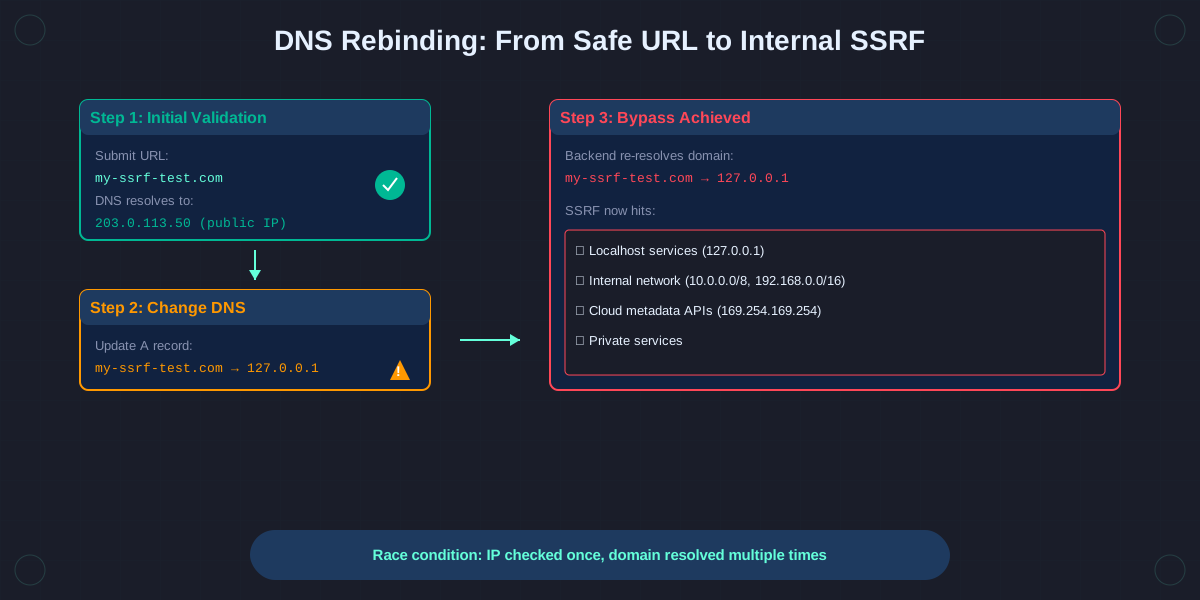
Read more →How a well-timed DNS change can bypass SSRF filters and turn a blocked vulnerability into full internal network access.
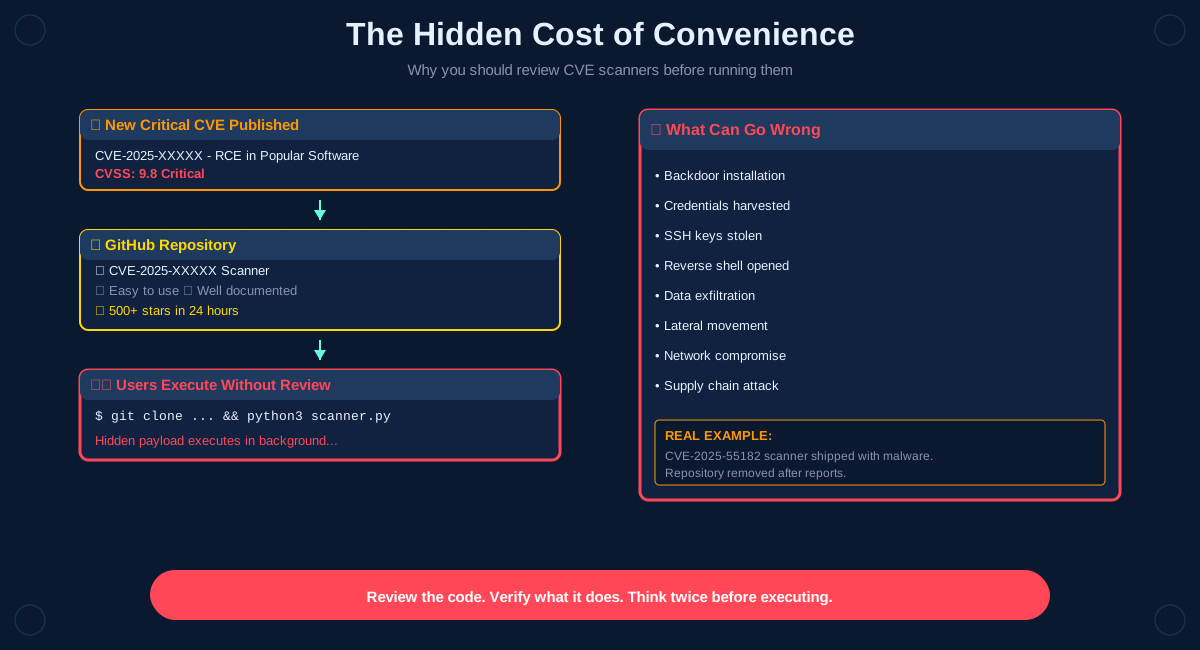
Read more →When critical CVEs drop, malicious scanners follow. Here's why you should review the code before running any security tool from GitHub.
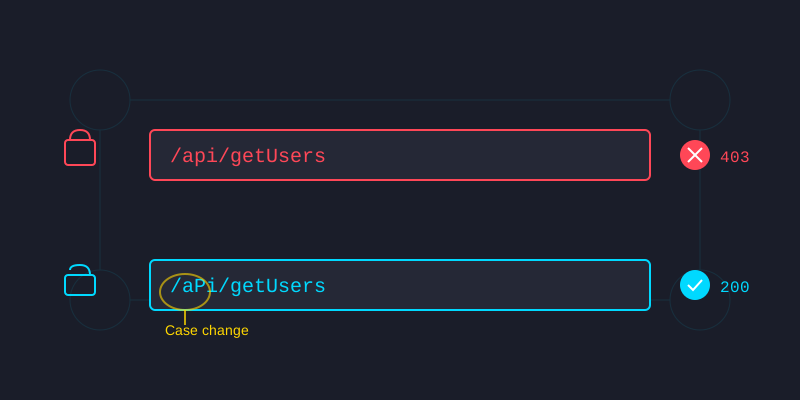
Read more →Sometimes a single case change in a URL path is enough to bypass 401/403 errors. Here's why this edge case works and when to test for it.
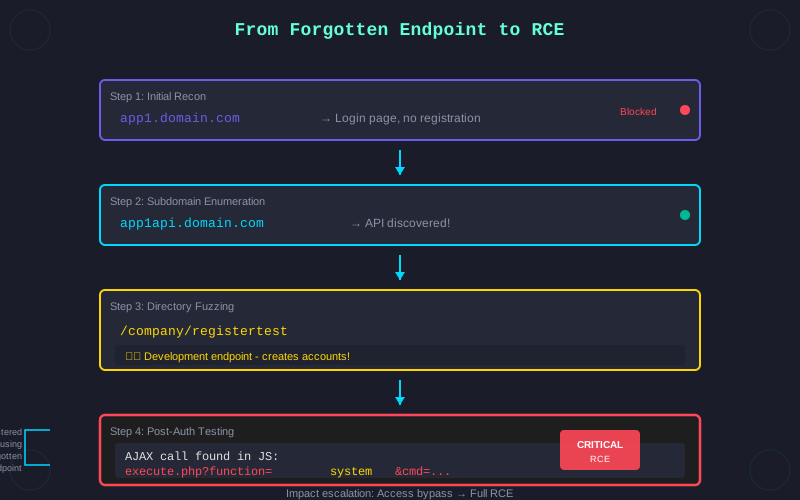
Read more →A development endpoint that shouldn't exist led to full remote code execution. Here's how thinking about impact turned one finding into a critical chain.
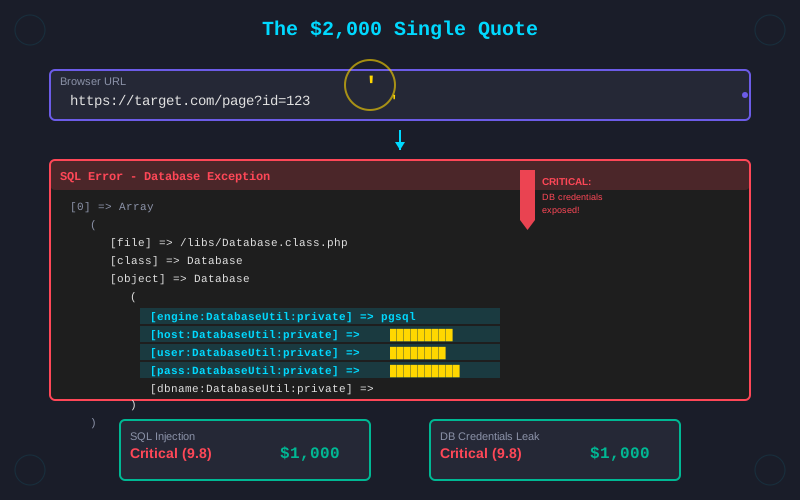
Read more →One character in a URL parameter exposed full database credentials and turned into a $2,000 double critical finding. Here's what happened.
Read more →Bug bounty can drain you if you approach it wrong. After 8 years and 1,000+ vulnerabilities, here's what actually matters to avoid burning out.
Read more →